
Agricultural surfactants for pesticide formulation have become essential tools for farmers seeking maximum crop protection efficiency. These specialized chemical additives enhance how pesticides spread, stick, and penetrate plant surfaces, leading to better pest control with reduced chemical usage.
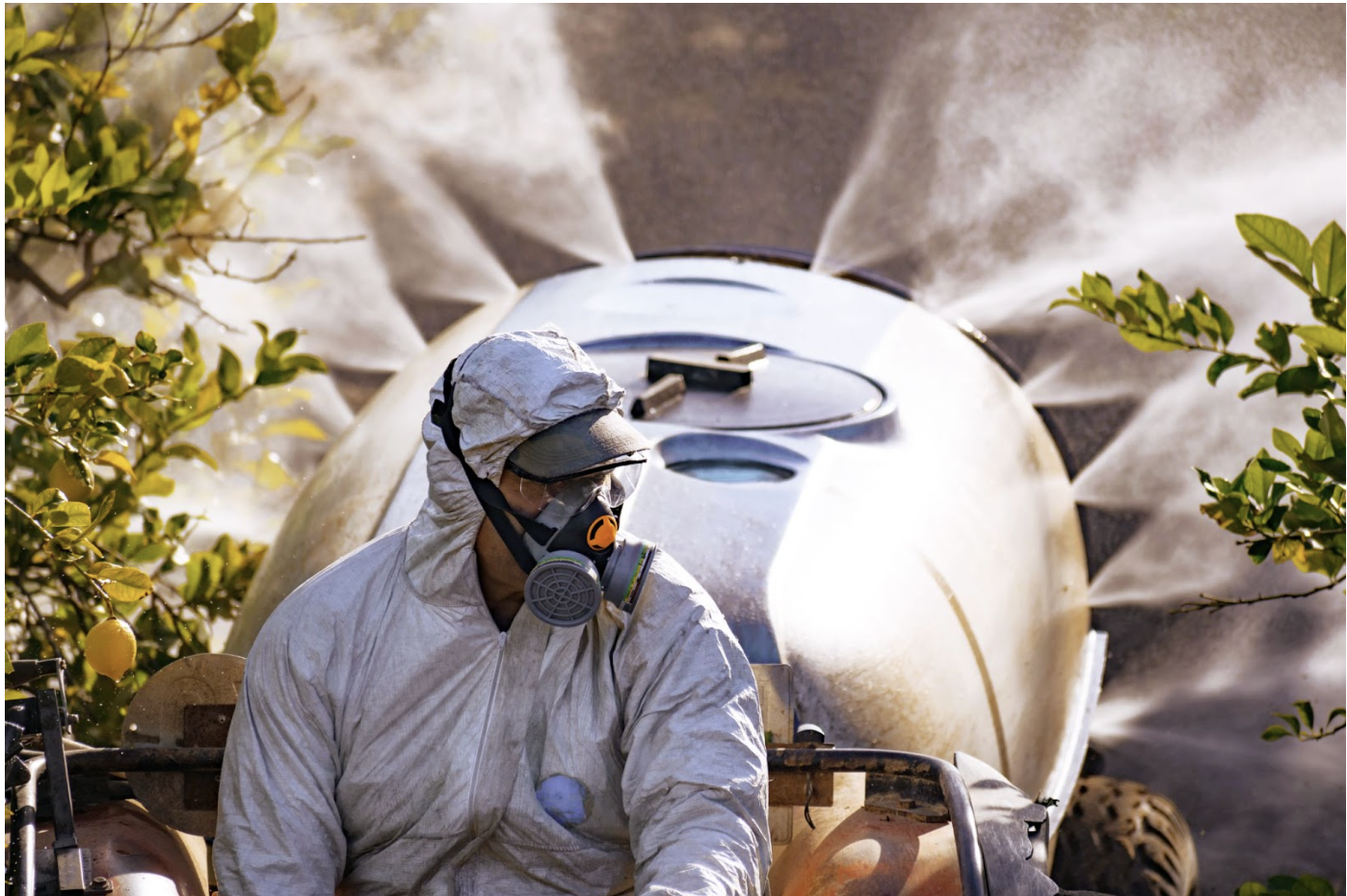
Agricultural surfactants reduce surface tension between pesticide solutions and plant surfaces. This fundamental property allows spray droplets to spread more evenly across leaves, stems, and other plant parts. Without surfactants, pesticide solutions often form beads on waxy leaf surfaces, creating uneven coverage and reduced effectiveness.
Modern pesticide formulations rely on surfactants to overcome natural plant barriers. Waxy cuticles on leaves repel water-based sprays, but surfactants break this barrier by lowering surface tension. This process ensures active ingredients reach their intended targets rather than rolling off plant surfaces.
Nonionic surfactants represent the most common type used in agricultural applications. These compounds carry no electrical charge, making them compatible with most pesticide active ingredients. They excel at wetting and spreading, helping pesticide solutions cover plant surfaces uniformly.
Alkyl polyglucoside surfactants offer excellent biodegradability while maintaining strong performance. These compounds break down naturally in soil, reducing environmental impact without compromising pesticide effectiveness.
Anionic surfactants carry negative charges and work well with specific pesticide types. They provide excellent emulsification properties, helping oil-based pesticides mix with water carriers. This capability proves valuable for formulating complex pesticide products.
Cationic surfactants possess positive charges and offer unique benefits for certain applications. They can improve pesticide retention on negatively charged plant surfaces through electrostatic attraction. However, their use requires careful formulation to avoid incompatibilities.
Surfactants dramatically improve spray coverage by reducing surface tension. This property allows pesticide solutions to spread into cracks, crevices, and hard-to-reach areas where pests often hide. Better coverage translates to more effective pest control.
Enhanced penetration through plant cuticles increases active ingredient uptake. Surfactants help pesticides move through waxy barriers that would otherwise block entry. This penetration ensures active ingredients reach target sites within plant tissues.
Better spreading and penetration mean farmers can achieve effective pest control with lower pesticide concentrations. Surfactants maximize the utility of each applied drop, reducing overall chemical usage while maintaining efficacy.
This reduction benefits both economic and environmental goals. Farmers spend less on pesticides while reducing potential environmental impact from agricultural chemicals.
Surfactants improve pesticide adhesion to plant surfaces, creating better resistance to rain washoff. Enhanced sticking properties help pesticides remain effective longer, even when weather conditions become challenging.
Some surfactants form protective films around pesticide deposits, shielding active ingredients from environmental degradation. This protection extends pesticide effectiveness and reduces the need for frequent reapplications.
Successful pesticide formulations require careful compatibility testing between surfactants and active ingredients. Some combinations can cause precipitation, reduced stability, or altered biological activity. Thorough testing prevents formulation failures in field conditions.
pH levels significantly impact surfactant performance. Most agricultural surfactants work best within specific pH ranges, and formulations must account for these requirements. Buffer systems may be necessary to maintain optimal pH conditions.
Surfactant concentration directly affects pesticide performance. Too little surfactant provides inadequate spreading and wetting. Excessive surfactant can cause phytotoxicity or interfere with active ingredient stability.
Optimal concentrations typically range from 0.1% to 1.0% by volume, depending on the specific surfactant and application requirements. Field testing helps determine ideal concentration levels for specific crop and pest combinations.
Modern agricultural surfactants emphasize environmental safety and biodegradability. Manufacturers develop products that break down quickly in soil and water systems, minimizing long-term environmental impact.
Regulatory agencies closely monitor surfactant safety for agricultural use. Approved products undergo extensive testing to ensure they meet safety standards for human health and environmental protection.
Worker safety remains paramount when handling surfactant-enhanced pesticides. Proper protective equipment and application procedures prevent exposure during mixing and spraying operations.
The industry moves toward bio-based surfactants derived from renewable sources. These products offer similar performance to synthetic alternatives while providing better environmental profiles. Plant-based surfactants show particular promise for sustainable agriculture applications.
Advanced surfactant systems respond to environmental conditions, adjusting their properties for optimal performance. Temperature-sensitive surfactants can enhance spreading in hot conditions or improve stability in cold weather.
Nanotechnology integration creates surfactants with enhanced properties. Nano-enhanced systems can improve pesticide delivery to specific plant tissues or provide controlled release mechanisms for extended effectiveness.
Agricultural surfactants for pesticide formulation represent critical technology for modern crop protection. These specialized additives enhance pesticide effectiveness while supporting sustainable farming practices through reduced chemical usage and improved environmental profiles.
Proper surfactant selection and formulation optimization ensure maximum pesticide performance while maintaining safety and environmental responsibility. As agricultural demands continue growing, advanced surfactant technology will play an increasingly important role in feeding the world’s population efficiently and sustainably.