Categories
Uncategorized

Benefits of Sulfate-Free Surfactants in Personal Care Products

Benefits of Sulfate-Free Surfactants in Personal Care Products

The personal care industry has shifted toward gentler formulations as consumers demand products that clean effectively without causing irritation. Sulfate free surfactants have emerged as the preferred choice for manufacturers who want to create mild yet effective cleansing products.

Traditional sulfates like sodium lauryl sulfate (SLS) and sodium laureth sulfate (SLES) deliver powerful cleaning action but can strip natural oils from skin and hair. This aggressive cleaning often leads to dryness, irritation, and damage to the skin barrier. Modern consumers recognize these issues and actively seek alternatives.

What Are Sulfate-Free Surfactants?

Sulfate-free surfactants are gentle cleansing agents that remove dirt, oil, and impurities without the harsh effects of traditional sulfates. These mild surfactants maintain cleaning effectiveness while protecting the skin’s natural moisture barrier.

Common sulfate-free options include:

  • Cocamidopropyl betaine
  • Sodium cocoyl isethionate
  • Disodium laureth sulfosuccinate
  • Sodium lauroyl sarcosinate
  • Coco-glucoside

Each of these alternatives offers unique benefits for different product applications and skin types.

Key Benefits for Personal Care Formulations

Reduced Skin Irritation

The primary advantage of sulfate-free formulations lies in their gentle nature. These mild surfactants personal care products cause less irritation than traditional sulfates. They clean effectively without disrupting the skin’s protective acid mantle.

Clinical studies show that sulfate-free cleansers reduce redness, itching, and burning sensations compared to sulfate-containing products. This makes them ideal for sensitive skin surfactants applications where gentleness is paramount.

Better Moisture Retention

Sulfate-free surfactants preserve the skin’s natural oils during cleansing. Traditional sulfates can remove up to 90% of the skin’s natural moisture, while gentle cleansing agents typically remove only 30-40%.

This moisture retention translates to:

  • Less post-wash tightness
  • Reduced need for moisturizing products
  • Better skin barrier function
  • Improved overall skin health

Hair Protection and Color Preservation

In hair care products, sulfate-free formulations offer significant advantages. They clean hair without stripping natural oils or damaging the hair cuticle. This gentler approach results in:

  • Longer-lasting hair color
  • Reduced frizz and flyaways
  • Better curl definition
  • Less scalp irritation
  • Improved hair texture over time

Color-treated hair particularly benefits from SLS free formulations. Traditional sulfates can fade hair color up to 40% faster than sulfate-free alternatives.

Manufacturing and Formulation Advantages

Versatile pH Range

Many sulfate-free surfactants work effectively across a broader pH range than traditional sulfates. This flexibility allows formulators to create products with optimal pH levels for skin compatibility without sacrificing cleaning performance.

Enhanced Foam Quality

Modern natural surfactant alternatives produce rich, creamy foam that consumers associate with effective cleansing. While the foam may differ from traditional sulfate foam, it provides excellent cleaning action with a luxurious feel.

Improved Compatibility

Sulfate-free surfactants often show better compatibility with other ingredients commonly used in personal care formulations. This compatibility allows for:

  • More stable formulations
  • Better ingredient synergy
  • Reduced need for stabilizers
  • Easier manufacturing processes

Market Demand and Consumer Preferences

Consumer awareness of ingredient safety has driven demand for gentler formulations. Market research indicates that 73% of consumers actively seek sulfate-free options when purchasing personal care products.

This trend extends across multiple product categories:

  • Shampoos and conditioners
  • Body washes and shower gels
  • Facial cleansers
  • Baby care products
  • Sensitive skin formulations

Manufacturers who adopt sulfate-free surfactants position themselves to capture this growing market segment while meeting consumer expectations for safer, gentler products.

Applications Across Product Categories

Facial Care

Facial cleansers benefit significantly from sulfate-free formulations. The delicate facial skin requires gentle cleansing that removes makeup and impurities without over-drying. Mild surfactants accomplish this while maintaining skin comfort.

Body Care

Body washes and shower gels formulated with sulfate-free surfactants provide effective cleansing for daily use without causing skin dryness or irritation. This makes them suitable for all family members, including those with sensitive skin.

Hair Care

Shampoos using gentle cleansing agents clean hair effectively while preserving natural oils and protecting chemically treated hair. This approach supports healthier hair and scalp conditions over time.

Choosing the Right Sulfate-Free Option

Selecting appropriate sulfate-free surfactants depends on specific product requirements:

  • Foam characteristics desired
  • Target pH range
  • Compatibility with other ingredients
  • Cost considerations
  • Regulatory requirements

Working with experienced surfactant manufacturers ensures optimal selection and formulation success.

Conclusion

Sulfate free surfactants represent the future of personal care cleansing. They deliver effective cleaning while protecting skin and hair from the harsh effects of traditional sulfates. As consumer demand for gentler products continues growing, manufacturers who embrace these alternatives will lead the market in creating products that prioritize both performance and skin health.

The transition to sulfate-free formulations offers manufacturers an opportunity to differentiate their products while meeting evolving consumer expectations for safer, more effective personal care solutions.


Categories
Uncategorized

Selecting the Best Wetting Agents for Textile Applications 

Selecting the Best Wetting Agents for Textile Applications

Textile manufacturing requires precise control over fabric wetting properties. The right wetting agents can transform your production efficiency and product quality. This guide explores how to select optimal wetting agents for your specific textile applications.

What Are Wetting Agents in Textile Processing?

Wetting agents are specialized surfactants that reduce surface tension between liquids and fabrics. They help processing solutions spread evenly across textile fibers. These chemicals enable uniform penetration of dyes, finishes, and other treatment chemicals.

In textile applications, wetting agents serve multiple functions. They improve liquid distribution, enhance chemical absorption, and reduce processing time. The result is consistent fabric treatment and improved product quality.

Types of Wetting Agents for Textile Applications

Anionic Wetting Agents

Anionic surfactants carry negative charges and work well in alkaline conditions. They provide excellent wetting properties for cotton and cellulose fibers. Common examples include sulfonates and sulfates.

These agents perform well in:

  • Scouring operations
  • Bleaching processes
  • Dyeing applications with reactive dyes
Nonionic Wetting Agents

Nonionic surfactants have no electrical charge. They work across a wide pH range and show good compatibility with other chemicals. Alcohol ethoxylates and alkylphenol ethoxylates are popular choices.

Key benefits include:

  • Excellent stability in hard water
  • Low foaming properties
  • Good compatibility with optical brighteners
Cationic Wetting Agents

Cationic surfactants carry positive charges and work well on synthetic fibers. They provide substantivity to negatively charged fibers. Quaternary ammonium compounds are common examples.

These agents excel in:

  • Synthetic fiber processing
  • Fabric softening applications
  • Antistatic treatments
Amphoteric Wetting Agents

Amphoteric surfactants can carry both positive and negative charges depending on pH conditions. They offer versatility across different processing conditions. Betaines and imidazolines are typical examples.

Key Selection Criteria for Textile Wetting Agents

Fiber Compatibility

Different fibers require specific wetting approaches. Natural fibers like cotton respond well to anionic agents in alkaline conditions. Synthetic fibers often need nonionic or cationic agents.

Consider these fiber-specific factors:

  • Surface energy of the fiber
  • Chemical structure and polarity
  • Processing temperature requirements
  • pH conditions during treatment
Processing Conditions

Temperature affects wetting agent performance. Higher temperatures can improve wetting but may cause degradation. pH levels influence agent stability and effectiveness.

Evaluate these processing parameters:

  • Operating temperature range
  • pH conditions throughout the process
  • Water hardness levels
  • Presence of other chemicals
Performance Requirements

Define your specific performance needs. Some applications require rapid wetting, while others need sustained action. Foam levels can be critical in certain processes.

Key performance metrics include:

  • Wetting speed and uniformity
  • Foam generation and stability
  • Rewetting properties
  • Durability through multiple cycles

Application-Specific Considerations

Pretreatment Operations

Scouring and desizing require powerful wetting agents that remove natural oils and sizing materials. Anionic agents with good detergency work well here. Temperature and alkalinity enhance their performance.

Dyeing Processes

Uniform dye penetration depends on consistent wetting. The wetting agent must not interfere with dye-fiber interactions. Nonionic agents often provide the best balance of wetting and compatibility.


Finishing Applications

Finishing processes may require specific wetting properties. Water-repellent finishes need agents that don’t interfere with the final treatment. Softening applications benefit from agents with conditioning properties.

Evaluating Wetting Agent Performance

Laboratory Testing Methods

Standard test methods help compare different wetting agents. The Draves test measures wetting time for cotton skeins. Canvas disk tests evaluate wetting of heavy fabrics.

Conduct these evaluations:

  • Wetting time measurements
  • Penetration depth analysis
  • Rewetting property assessment
  • Foam stability testing
Production Trials

Small-scale production trials provide real-world performance data. Test under actual processing conditions with your specific equipment and procedures.

Monitor these parameters:

  • Processing efficiency
  • Product quality consistency
  • Equipment performance
  • Cost effectiveness

Optimization Strategies

Concentration Optimization

Too little wetting agent provides inadequate performance. Excess amounts waste money and may cause problems. Find the minimum effective concentration through systematic testing.

Combination Approaches

Blending different wetting agents can provide synergistic benefits. Anionic-nonionic combinations often work well. This approach can optimize performance while controlling costs.

Process Integration

Consider how wetting agents interact with other process chemicals. Compatibility with dyes, finishes, and auxiliaries affects overall performance. Sequential treatments may require different agents.

Troubleshooting Common Issues

Poor Wetting Performance

Insufficient wetting often results from wrong agent selection or concentration. Hard water can reduce effectiveness. Temperature may be too low for optimal performance.

Excessive Foaming

High foam levels can disrupt processing. Switch to low-foaming agents or add defoamers. Reduce concentration if possible without compromising wetting.

Fabric Quality Problems

Residual wetting agents can affect fabric properties. Ensure adequate rinsing or use agents that don’t require removal. Some agents may interfere with subsequent treatments.

Cost-Effectiveness Analysis

Direct Cost Comparison

Compare costs per unit of fabric treated, not just chemical prices. More expensive agents may provide better value through improved efficiency or quality.

Indirect Cost Benefits

Consider energy savings from faster processing or reduced rework. Improved quality can reduce customer complaints and returns. Equipment maintenance costs may decrease with better-performing chemicals.

Environmental and Safety Considerations

Biodegradability

Many textile facilities must meet environmental regulations. Choose readily biodegradable wetting agents when possible. Avoid agents with environmental persistence concerns.

Worker Safety

Handle all chemicals according to safety data sheets. Provide appropriate protective equipment and training. Ventilation requirements vary by chemical type.

Future Trends in Textile Wetting Agents

Sustainable Chemistry

Bio-based wetting agents are gaining popularity. These products offer environmental benefits while maintaining performance. Expect continued development in this area.

Smart Surfactants

Temperature-responsive and pH-sensitive agents provide better process control. These advanced products optimize performance across varying conditions.

Conclusion

Selecting the right wetting agents for textile applications requires careful consideration of multiple factors. Fiber type, processing conditions, and performance requirements all influence the choice. Systematic evaluation and testing ensure optimal results.

Work with experienced chemical suppliers who understand textile processing. They can provide technical support and help optimize your specific applications. The right wetting agent selection improves both processing efficiency and product quality.

Remember that textile processing is complex, and wetting agents interact with many other variables. Continuous monitoring and adjustment help maintain optimal performance. Invest time in proper selection and testing to achieve the best results for your textile operations.


Categories
Uncategorized

Organic vs Synthetic Plant Nutrition Products: Complete Guide | Unitop Chemicals

Organic vs. Synthetic Plant Nutrition: Finding the Right Balance

In the evolving landscape of agriculture, the debate between organic and synthetic plant nutrition products continues to spark discussions among farmers, agronomists, and agricultural specialists. Understanding both approaches is crucial for making informed decisions about crop management and sustainable farming practices.

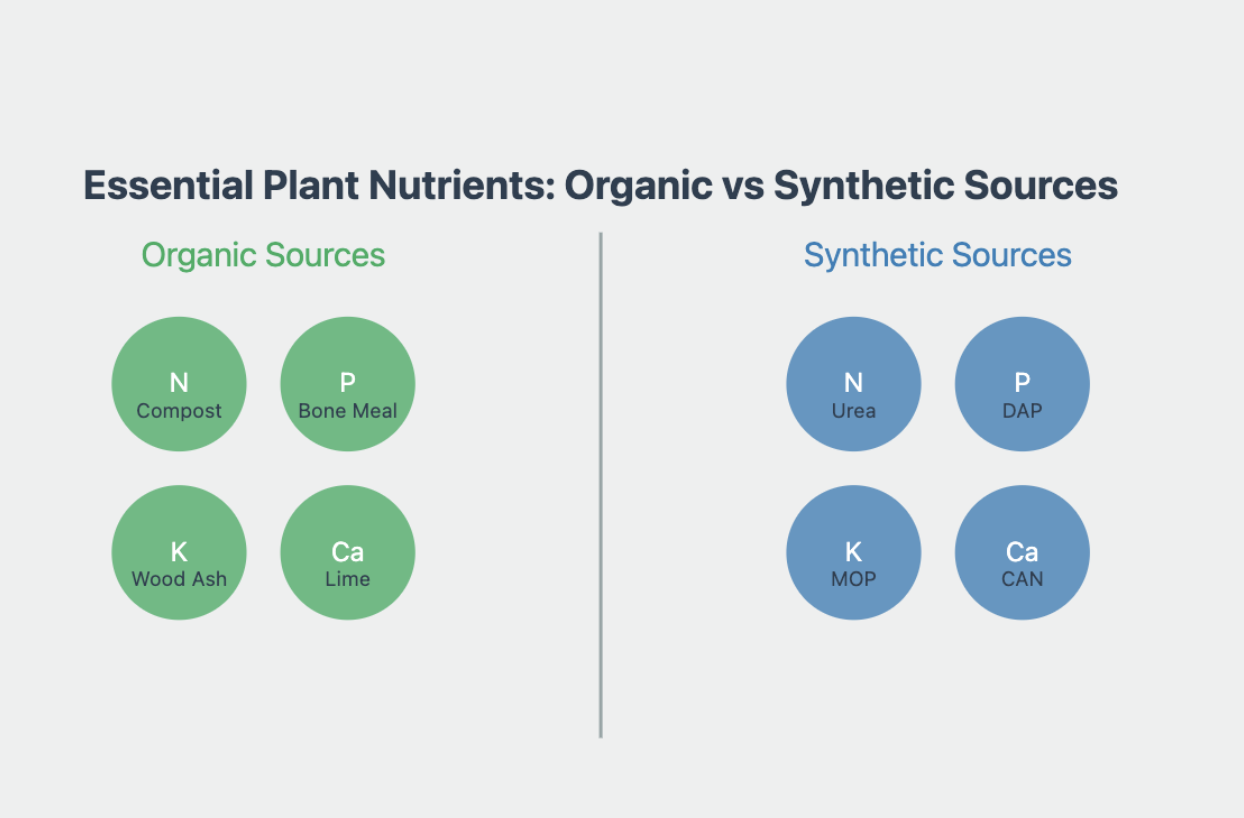
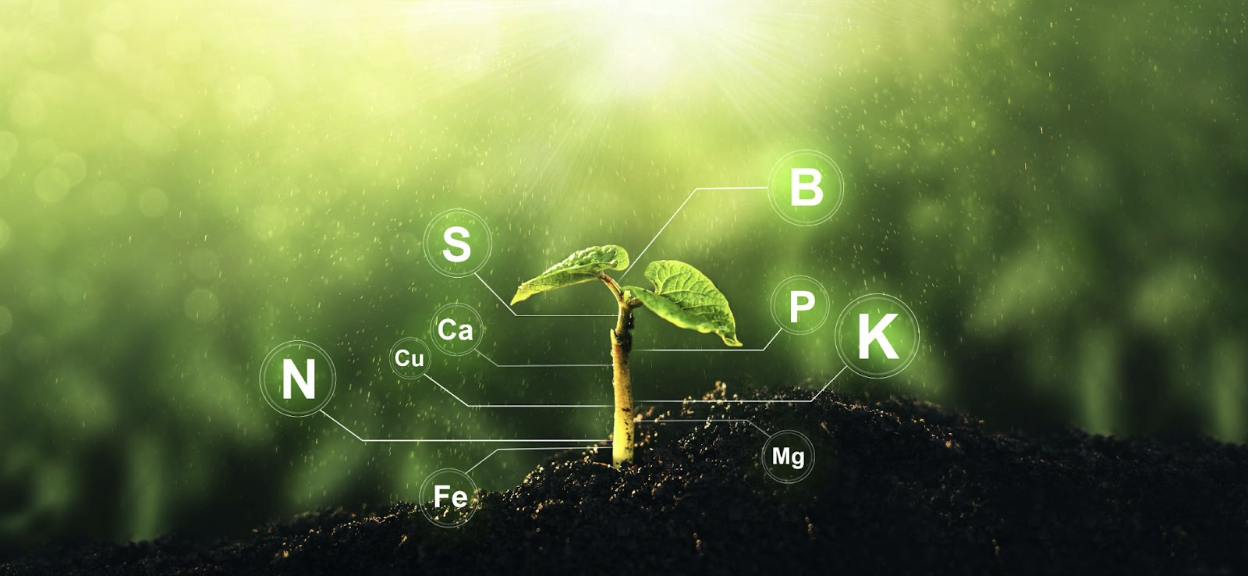
Plants require a precise balance of nutrients for optimal growth and yield. While nature provides many of these nutrients through soil organic matter and natural processes, modern agriculture often demands supplemental nutrition to meet crop demands and maintain soil fertility.

Organic Plant Nutrition Products

Organic nutrition sources offer several distinct advantages:

Natural Nutrient Release
Organic materials like compost, manure, and natural minerals release nutrients gradually, mimicking natural soil processes. This slow-release mechanism helps prevent nutrient leaching and promotes sustained plant growth.

Soil Health Benefits
Beyond providing nutrients, organic materials improve soil structure, enhance microbial activity, and increase organic matter content. These benefits contribute to long-term soil health and sustainability.

Environmental Considerations

Organic nutrition sources often have a lower environmental impact and support ecosystem services, including improved water retention and carbon sequestration.

Synthetic Plant Nutrition Products

Modern synthetic nutrition offers its own set of advantages:

Precise Nutrient Control
Synthetic fertilizers provide exact nutrient ratios, allowing farmers to address specific deficiencies quickly and effectively. This precision can be crucial during critical growth stages.

Rapid Availability
Unlike organic sources, synthetic nutrients are readily available to plants, making them ideal for addressing immediate nutrient deficiencies and supporting rapid growth phases.

Cost-Effectiveness
Synthetic products often provide more nutrients per dollar invested, making them an economical choice for large-scale operations.

Finding the Right Balance
The most effective approach often combines both organic and synthetic nutrition sources:

Integrated Nutrient Management

Successful farmers increasingly adopt integrated strategies that leverage the benefits of both organic and synthetic nutrition products. This approach helps:

  • Maintain optimal nutrient levels
  • Support soil health
  • Maximize cost-effectiveness
  • Ensure environmental sustainability

Timing and Application

Understanding crop requirements and timing applications appropriately ensures maximum nutrient uptake efficiency, regardless of the source.

The Future of Plant Nutrition

As agriculture continues to evolve, new technologies and products are emerging that bridge the gap between organic and synthetic nutrition. These innovations focus on:

  • Enhanced efficiency fertilizers
  • Biostimulants and biological products
  • Precision application technologies
  • Sustainable nutrient management practices

Conclusion

The choice between organic and synthetic plant nutrition products isn’t necessarily an either-or decision. Success lies in understanding crop needs, soil conditions, and environmental factors to create a balanced nutrition program that optimizes both yield and sustainability.

Categories
Uncategorized

Maximizing Crop Yield: The Ultimate Guide to Crop Protection Chemicals

Maximizing Crop Yield: The Ultimate Guide to Crop Protection Chemicals

In modern agriculture, crop protection chemicals play a pivotal role in safeguarding harvests and ensuring food security. Understanding these essential agricultural inputs can significantly impact farm productivity and sustainability. Let’s explore how these chemicals contribute to optimal crop yields while maintaining environmental responsibility.

Understanding Crop Protection Chemicals

Crop protection chemicals, also known as agrochemicals, encompass a range of products designed to protect crops from various threats. These include herbicides, fungicides, insecticides, and plant growth regulators. When used correctly, these solutions help farmers maximize their yield potential while minimizing losses due to pests and diseases.

Key Categories of Crop Protection Solutions

Herbicides
Weed management remains crucial for protecting crop yields. Modern selective herbicides target unwanted plants while leaving crops unharmed. This precision approach helps maintain optimal growing conditions and reduces competition for nutrients and water.

Fungicides
Fungal diseases can devastate entire harvests if left unchecked. Preventative and curative fungicides protect crops throughout their growth cycle, especially during vulnerable stages. Advanced formulations provide both surface protection and systemic action for comprehensive disease control.

Insecticides
Strategic insect management protects both growing crops and stored harvests. Today’s insecticides offer targeted control of pest species while minimizing impact on beneficial insects, supporting integrated pest management approaches.

Best Practices for Application

Successful crop protection requires more than just selecting the right chemicals. Consider these essential factors:

  • Timing: Apply products at optimal growth stages and weather conditions
  • Dosage: Follow recommended application rates for maximum effectiveness
  • Rotation: Alternate between different chemical groups to prevent resistance
  • Safety: Adhere to pre-harvest intervals and worker safety guidelines

Environmental Considerations

Modern crop protection emphasizes sustainability alongside effectiveness. This includes:

  • Using precision application technologies
  • Implementing integrated pest management strategies
  • Choosing products with optimal environmental profiles
  • Following local regulations and best practices

The Future of Crop Protection

Innovation continues to drive the development of more effective and sustainable crop protection solutions. Advances in formulation technology, biological alternatives, and precision agriculture are creating new opportunities for farmers to protect their crops while minimizing environmental impact.
Conclusion

Effective use of crop protection chemicals remains essential for modern agriculture. By understanding and implementing these solutions responsibly, farmers can achieve optimal yields while maintaining sustainable farming practices for future generations.

Categories
Uncategorized

Top 5 Industrial Solvents for Improved Manufacturing Efficiency: A Comprehensive Guide

Top 5 Industrial Solvents for Improved Manufacturing Efficiency: A Comprehensive Guide

In today’s competitive manufacturing landscape, selecting the right industrial solvents can significantly impact production efficiency and product quality. As leading manufacturers of surfactants and emulsifiers, we understand the critical role solvents play in various industrial processes. Let’s explore the top five industrial solvents that are revolutionizing manufacturing efficiency.

Acetone: The Versatile Powerhouse

Acetone stands out as one of the most versatile industrial solvents in manufacturing. This powerful solvent excels in dissolving various substances, making it invaluable in plastic manufacturing, surface preparation, and cleaning operations. Its rapid evaporation rate and high solvency power make it particularly effective for cleaning precision equipment and removing adhesive residues.

Methyl Ethyl Ketone (MEK)

MEK has earned its place as a crucial industrial solvent due to its exceptional ability to dissolve a wide range of resins and polymers. In surface coating applications, MEK’s controlled evaporation rate ensures optimal film formation, resulting in superior finish quality. Its effectiveness in removing tough contaminants makes it indispensable in maintenance operations.

Toluene: The Performance Enhancer

Manufacturing facilities worldwide rely on toluene for its outstanding solvency characteristics. This industrial solvent excels in paint and coating applications, offering excellent flow properties and ensuring uniform coverage. Its stability and compatibility with various materials make it a preferred choice in automotive and aerospace manufacturing.

Isopropyl Alcohol (IPA): The Clean Choice

IPA has become increasingly popular in modern manufacturing due to its excellent cleaning properties and relatively low toxicity. Its rapid evaporation and minimal residue make it perfect for electronics manufacturing and surface preparation processes. Additionally, IPA’s antimicrobial properties make it valuable in maintaining clean manufacturing environments.

N-Propyl Acetate: The Balanced Solution

For manufacturers seeking a balance between performance and environmental consideration, n-propyl acetate offers an excellent solution. This medium-evaporating solvent provides superior flow and leveling in coating applications while maintaining workplace safety standards. Its compatibility with various resins makes it particularly valuable in specialized coating processes.

Precision and Customization

Modern seed treatment solutions are increasingly tailored to:
– Specific crop varieties
– Regional environmental conditions
– Unique agricultural challenges
– Precise nutritional and protective requirements

Optimizing Solvent Selection for Maximum Efficiency

Selecting the right industrial solvent requires careful consideration of various factors, including:

  • Process requirements and compatibility
  • Evaporation rate and drying time
  • Environmental and safety regulations
  • Cost-effectiveness and availability
  • Impact on product quality

By choosing the appropriate industrial solvent for your specific manufacturing needs, you can significantly improve process efficiency, reduce waste, and enhance product quality. At Unitop Chemicals, we understand these requirements and offer expert guidance in selecting the optimal solvent solutions for your manufacturing processes.

Categories
Uncategorized

Seed Treatment Chemicals: Safeguarding Your Harvest from Day One

Seed Treatment Chemicals: Safeguarding Your Harvest from Day One

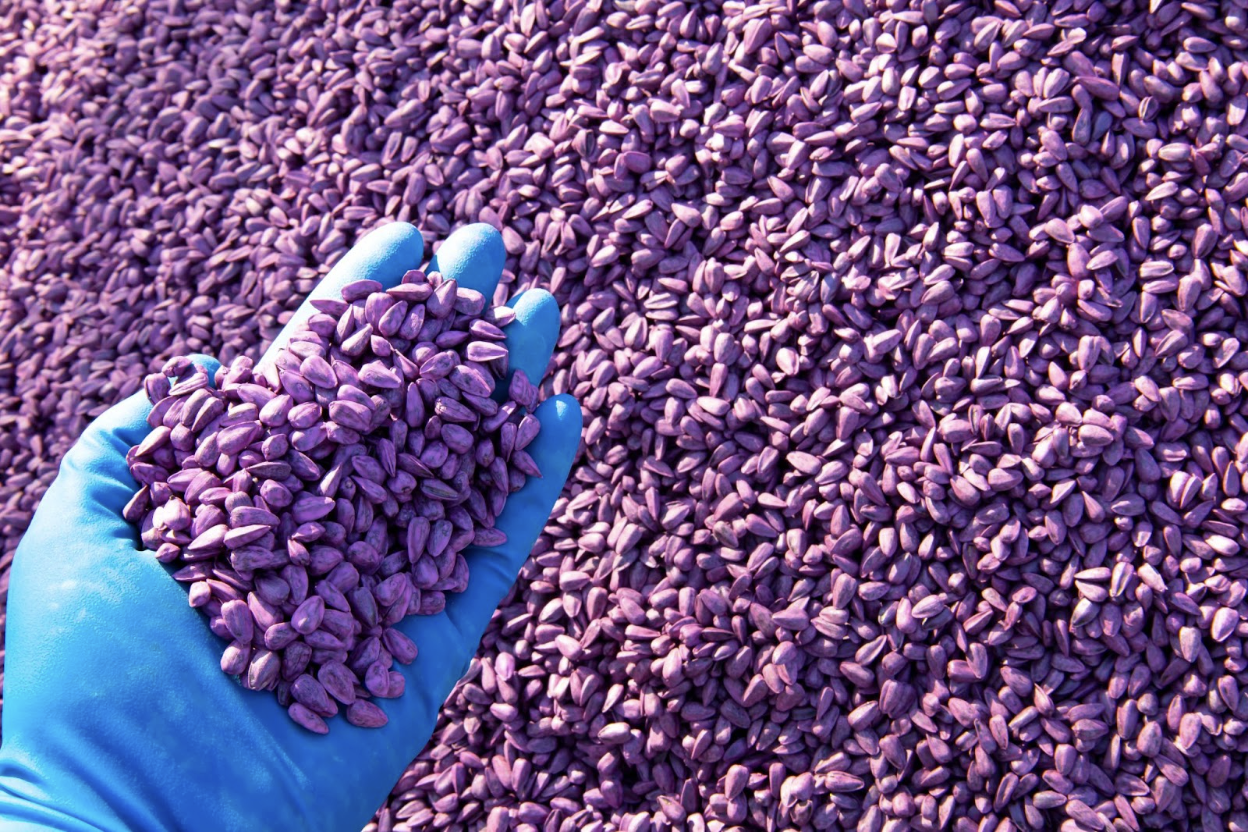
In the intricate world of modern agriculture, seed treatment chemicals represent a critical first line of defense in ensuring robust crop development and maximizing agricultural productivity. These sophisticated solutions provide farmers and growers with an unprecedented opportunity to protect and enhance crop potential before the first seed even touches the soil.

The Critical Importance of Seed Treatment

Seed treatment chemicals are far more than a preventive measure—they are a strategic investment in agricultural success. By protecting seeds during their most vulnerable stages, these specialized chemicals lay the foundation for healthy, productive crops.

Comprehensive Protection from the Start

Modern seed treatment approaches offer multi-dimensional protection:
– Defense against soil-borne pathogens
– Protection from early-stage insect attacks
– Enhanced seed vigor and germination rates
– Improved seedling establishment

Technological Innovations in Seed Treatment

Advanced Chemical Formulations
Cutting-edge seed treatment chemicals now incorporate:
– Systemic fungicides
– Biological protection agents
– Nutrient enhancement compounds
– Stress resistance triggers

The Role of Surfactants and Emulsifiers

Specialized surfactants and emulsifiers developed by companies like Unitop Chemicals play a crucial role in seed treatment effectiveness. These compounds:
– Improve chemical distribution
– Enhance seed coating uniformity
– Ensure optimal chemical adhesion
– Minimize potential seed damage during treatment

Types of Seed Treatment Chemicals

Fungicidal Treatments
Protect seeds from devastating fungal infections that can compromise germination and early plant development. These treatments:
– Prevent soil-borne diseases
– Reduce seedling mortality
– Improve overall crop establishment rates

Insecticidal Treatments
Provide critical protection against early-stage insect threats, safeguarding the seed’s potential before visible crop emergence. Key benefits include:
– Reduced pest damage
– Minimized crop loss
– Enhanced seedling survival rates

Biological Seed Treatments
Innovative biological compounds now complement traditional chemical approaches, offering:
– Environmentally friendly protection
– Enhanced plant microbiome support
– Improved natural resistance mechanisms

Environmental and Economic Considerations

Seed treatment chemicals represent a strategic approach to:
– Reducing overall chemical usage
– Minimizing environmental impact
– Optimizing resource allocation
– Improving crop yield potential

Precision and Customization

Modern seed treatment solutions are increasingly tailored to:
– Specific crop varieties
– Regional environmental conditions
– Unique agricultural challenges
– Precise nutritional and protective requirements

The Future of Seed Treatment

Emerging technologies are transforming seed treatment chemicals through:
– Nanotechnology-enhanced formulations
– Precision application techniques
– Data-driven treatment strategies
– Integration with digital agricultural technologies

Conclusion

Seed treatment chemicals are more than a protective measure—they are a sophisticated agricultural technology that bridges scientific innovation with practical farming needs. By investing in advanced seed treatment solutions, farmers can unlock extraordinary crop potential from the very first moment of planting.

The journey of agricultural success begins with a single, carefully protected seed.


Categories
Uncategorized

Sustainable Plant Nutrition Solutions: Revolutionizing Agricultural Productivity

Sustainable Plant Nutrition Solutions: Revolutionizing Agricultural Productivity

In the complex world of modern agriculture, sustainable plant nutrition has emerged as a critical frontier for ensuring global food security and environmental stewardship. Agro chemicals and solvents play a transformative role in developing innovative nutritional strategies that balance crop productivity with ecological responsibility.

The Evolution of Plant Nutrition

Traditional agricultural approaches often relied on blanket fertilization methods that were inefficient and environmentally challenging. Today, sustainable plant nutrition represents a sophisticated intersection of chemical innovation, technological precision, and ecological awareness.

Precision Nutrition: A Paradigm Shift

Modern plant nutrition goes beyond simple fertilization. It involves a holistic approach that considers soil health, plant physiology, environmental conditions, and long-term sustainability. Agro chemicals and solvents have become sophisticated tools for delivering targeted nutritional interventions.

Innovative Approaches to Plant Nutrition

Micronutrient Delivery Systems

Advanced chemical formulations now enable precise micronutrient delivery. Specialized solvents and emulsifiers developed by companies like Unitop Chemicals can:
– Enhance nutrient absorption
– Minimize nutrient loss
– Improve overall plant metabolic efficiency

Controlled-Release Nutritional Technologies

Cutting-edge agro chemicals now facilitate controlled-release nutritional strategies. These technologies ensure:
– Gradual nutrient availability
– Reduced environmental leaching
– Optimized plant uptake
– Minimized chemical waste


The Role of Surfactants and Emulsifiers

Surfactants and emulsifiers are critical in developing sustainable plant nutrition solutions. These specialized chemical compounds:
– Improve nutrient distribution
– Enhance chemical stability
– Reduce surface tension
– Enable more uniform nutrient application

Environmental Considerations in Plant Nutrition

Sustainable plant nutrition is fundamentally about balancing productivity with environmental protection. Modern approaches focus on:
– Reducing chemical runoff
– Minimizing ecological disruption
– Supporting soil microbiome health
– Developing biodegradable nutritional compounds

Technological Integration in Nutritional Management

Precision agriculture technologies now complement advanced agro chemical solutions. GPS-guided application systems, drone monitoring, and real-time soil analysis enable unprecedented nutritional management precision.

Data-Driven Nutritional Strategies

Emerging technologies allow for:
– Customized nutritional prescriptions
– Real-time crop health monitoring
– Predictive nutritional interventions
– Minimized resource wastage

Economic and Environmental Benefits

Sustainable plant nutrition solutions offer multiple advantages:
– Improved crop yields
– Reduced chemical expenditure
– Enhanced environmental protection
– Long-term soil health preservation

The Future of Plant Nutrition

As global agricultural challenges intensify, innovative agro chemicals and solvents will be crucial. Companies like Unitop Chemicals are pioneering solutions that address both immediate agricultural productivity and long-term ecological sustainability.

Conclusion

Sustainable plant nutrition represents more than a technological advancement—it’s a comprehensive approach to responsible agricultural development. By leveraging sophisticated agro chemicals and solvents, we can create a more productive, efficient, and environmentally conscious agricultural ecosystem.

The journey towards sustainable agriculture is a collaborative effort, combining scientific innovation, technological precision, and ecological wisdom.


Categories
Uncategorized

Modern Crop Protection Strategies: Leveraging Agro Chemicals for Agricultural Success

Modern Crop Protection Strategies: Leveraging Agro Chemicals for Agricultural Success

In the rapidly evolving landscape of global agriculture, crop protection has become a critical component of sustainable food production. Agro chemicals play a pivotal role in safeguarding crops from various threats, ensuring food security, and supporting farmers’ economic viability.

The Changing Face of Crop Protection

Modern agriculture faces unprecedented challenges, including climate change, emerging pest resistances, and the need for sustainable production methods. Agro chemicals have emerged as a sophisticated solution, moving far beyond traditional broad-spectrum pesticide applications.

Integrated Pest Management (IPM)

Today’s crop protection strategies embrace a holistic approach known as Integrated Pest Management (IPM). This methodology combines biological, cultural, physical, and chemical tools to minimize economic, health, and environmental risks. Agro chemicals are no longer seen as a first-line defense but as a precisely targeted intervention.

A longer catalyst lifespan often translates to reduced downtime and lower operating costs.

Innovations in Agro Chemical Technologies

Precision Agriculture

Advanced technologies now allow for highly targeted chemical applications. GPS-guided equipment, drone surveillance, and sensor technologies enable farmers to apply agro chemicals with unprecedented accuracy. This approach reduces overall chemical usage, minimizes environmental impact, and optimizes crop protection.

Biological and Synthetic Hybrid Solutions

Modern agro chemicals are increasingly developed with ecological considerations. Manufacturers like Unitop Chemicals are pioneering hybrid solutions that combine synthetic effectiveness with biological safety. These innovative formulations provide robust crop protection while maintaining environmental stewardship.

Key Advantages of Modern Agro Chemicals

  1. Targeted Effectiveness: New chemical formulations target specific pest vulnerabilities while minimizing broader ecosystem disruption.
  2. Reduced Environmental Impact: Advanced surfactants and emulsifiers improve chemical distribution and reduce overall application volumes.
  3. Enhanced Crop Resilience: Modern agro chemicals not only protect against pests but also support plant health and stress resistance.

Sustainable Practices in Chemical Crop Protection

The future of crop protection lies in sustainable practices. This includes:

  • Developing biodegradable chemical compounds
  • Creating more efficient delivery systems
  • Reducing potential ecological side effects
  • Supporting long-term soil and environmental health


The Role of Surfactants and Emulsifiers

Surfactants and emulsifiers are crucial in modern crop protection strategies. These specialized chemicals improve the spread, penetration, and effectiveness of crop protection treatments. By enhancing chemical distribution and reducing surface tension, they ensure more uniform and efficient application.

Conclusion

As global agricultural demands continue to grow, agro chemicals will remain essential in crop protection. The key lies in continuous innovation, precision, and a commitment to ecological balance. Companies like Unitop Chemicals are at the forefront of developing smarter, safer, and more effective crop protection solutions.

The future of agriculture is not about eliminating challenges but about managing them intelligently, sustainably, and effectively.

Categories
Uncategorized

How to Select the Perfect Catalyst for Chemical Processes | Unitop Chemicals

How to Select the Perfect Catalyst for Your Chemical Process

In the world of chemical manufacturing, selecting the right catalyst for chemical processes can make the difference between a successful, efficient operation and a costly, underperforming one. Catalysts are the unsung heroes of the chemical industry, accelerating reactions, improving selectivity, and ultimately enhancing productivity. This guide will walk you through the key considerations for choosing the perfect catalyst for your specific chemical process.

Understanding Your Process

Before diving into catalyst selection, it’s crucial to have a comprehensive understanding of your chemical process:

  1. Reaction Type: Identify whether your process involves oxidation, reduction, polymerization, or another type of reaction.
  2. Desired Outcome: Clearly define your target product and required purity levels.
  3. Operating Conditions: Know the temperature, pressure, and pH ranges of your process.
  4. Feedstock Composition: Understand the nature and purity of your starting materials.

Key Factors in Catalyst Selection

1.Activity and Selectivity: The ideal catalyst for chemical processes should offer high activity (reaction rate) and selectivity (favoring the desired product). However, these properties often involve trade-offs:

  • High activity may lead to faster reactions but could compromise selectivity.
  • High selectivity might result in slower reaction rates.

Strive for a balance that meets your process requirements.

2. Stability and Lifespan: Consider how long the catalyst will remain effective under your process conditions:

  • Thermal stability: Can it withstand your operating temperatures?
  • Chemical stability: Will it resist deactivation by reactants, products, or impurities?
  • Mechanical stability: For solid catalysts, will it maintain its structure under process conditions?

A longer catalyst lifespan often translates to reduced downtime and lower operating costs.

3. Recyclability and Regeneration: For cost-effective operations, consider:

  • Ease of separation from the product stream
  • Potential for regeneration and reuse
  • Number of cycles before significant activity loss

4. Compatibility with Existing Infrastructure: Evaluate whether the catalyst:

  • Requires special handling or storage
  • Necessitates modifications to your current equipment
  • Aligns with your safety protocols and environmental regulations

5. Economic Considerations: While performance is crucial, don’t overlook the economics:

  • Initial catalyst cost
  • Expected lifespan and replacement frequency
  • Potential process improvements (yield, energy savings)
  • Impact on downstream purification costs

6. Environmental Impact: In today’s sustainability-focused landscape, consider:

  • The catalyst’s carbon footprint
  • Potential for using bio-based or recycled materials
  • Toxicity and disposal requirements

Understanding Your Process

Types of Catalysts to Consider

  1. Homogeneous Catalysts: These operate in the same phase as the reactants, offering high selectivity but can be challenging to separate.
  2. Heterogeneous Catalysts: Solid catalysts that are easier to separate and often more durable, but may face mass transfer limitations.
  3. Biocatalysts: Enzymes or whole cells that offer high specificity and operate under mild conditions, ideal for pharmaceutical or fine chemical production.
  4. Nanocatalysts: Leveraging the unique properties of nanomaterials for improved efficiency and selectivity.

The Selection Process

  1. Literature Review: Start with a thorough search of academic and patent literature for similar processes.
  2. Supplier Consultation: Engage with catalyst suppliers who can offer expertise and possibly custom solutions.
  3. Laboratory Testing: Conduct small-scale tests to evaluate catalyst performance under your specific conditions.
  4. Pilot Studies: Scale up promising candidates to assess their performance in a more realistic setting.
  5. Economic Analysis: Perform a detailed cost-benefit analysis before making the final selection.

Selecting the perfect catalyst for chemical processes is a complex but crucial task. By carefully considering these factors and following a systematic approach, you can identify a catalyst that not only meets your current needs but also positions your process for long-term success and sustainability.

Remember, the right catalyst can transform your chemical process, leading to improved efficiency, reduced costs, and enhanced product quality. Take the time to make an informed decision, and don’t hesitate to seek expert advice when needed.

Categories
Uncategorized

Choosing the Right Catalysts for Chemical Processes | Unitop Chemicals

Choosing the Right Catalysts for Chemical Processes

In the world of chemical manufacturing, catalysts play a pivotal role in enhancing reaction rates, improving selectivity, and increasing overall process efficiency. Catalysts for chemical processes are indispensable tools that can make or break the success of a production line. This blog post will explore the crucial factors to consider when selecting the right catalyst for your chemical processes.

Understanding Catalysts in Chemical Processes

Catalysts are substances that accelerate chemical reactions without being consumed in the process. They work by lowering the activation energy required for a reaction to occur, thus enabling faster reaction rates and often allowing reactions to take place under milder conditions. In industrial settings, catalysts for chemical processes can significantly reduce energy consumption, minimize waste production, and improve product yield.

Key Factors in Catalyst Selection

1. Reaction Type and Mechanism

   Understanding the specific reaction you want to catalyze is crucial. Different catalysts are suited for various reaction types, such as oxidation, reduction, polymerization, or isomerization. The reaction mechanism will guide you towards selecting a catalyst that can effectively lower the activation energy for your specific process.

2. Activity and Selectivity

   A good catalyst should not only increase reaction rate (activity) but also favor the formation of desired products over unwanted side products (selectivity). Balancing these two factors is often a key challenge in catalyst selection.

3. Operating Conditions

   Consider the temperature, pressure, and pH at which your process operates. Your chosen catalyst must remain stable and effective under these conditions. Some catalysts may degrade or lose efficiency at high temperatures or in certain pH ranges.

4. Substrate Compatibility

   The catalyst must be compatible with your starting materials (substrates) and not cause unwanted side reactions. It should also resist poisoning by impurities that may be present in your feedstock.

5. Recyclability and Lifespan

   In industrial settings, the ability to reuse a catalyst multiple times can significantly impact the economics of a process. Consider the lifespan of the catalyst and whether it can be easily separated from the product and recycled.

6. Environmental Impact

   With increasing focus on sustainability, consider the environmental footprint of your catalyst. This includes its production method, toxicity, and disposal requirements. Green catalysts, such as biocatalysts or those derived from abundant materials, are gaining popularity.

Types of Catalysts for Chemical Processes

1. Homogeneous Catalysts

   These catalysts exist in the same phase as the reactants, typically in a liquid solution. They often offer high selectivity but can be challenging to separate from the product.

2. Heterogeneous Catalysts

   These solid catalysts operate in a different phase from the liquid or gaseous reactants. They’re easier to separate and recycle but may have mass transfer limitations.

3. Biocatalysts

   Enzymes and whole cell catalysts can offer high specificity and operate under mild conditions, making them increasingly popular in pharmaceutical and fine chemical production.

4. Nanocatalysts

   These catalysts leverage the unique properties of nanomaterials to achieve high surface area and novel reactivity, often leading to improved efficiency and selectivity.

Conclusion

Choosing the right catalysts for chemical processes is a complex task that requires careful consideration of multiple factors. It often involves balancing trade-offs between activity, selectivity, stability, and cost. As the field of catalysis continues to advance, new materials and technologies are emerging, offering exciting possibilities for process improvement and sustainable chemistry.

By understanding the key factors in catalyst selection and staying informed about the latest developments in catalysis, chemical manufacturers can optimize their processes, reduce costs, and minimize environmental impact. Remember, the right catalyst can transform a challenging reaction into an efficient, economical process, underlining the importance of this crucial decision in chemical manufacturing.