
Surfactants for textile processing form the backbone of modern fabric manufacturing, enabling consistent dyeing results and superior finishing quality. These specialized chemicals control wetting, penetration, and dispersion throughout textile production, ensuring fabrics meet demanding quality standards.
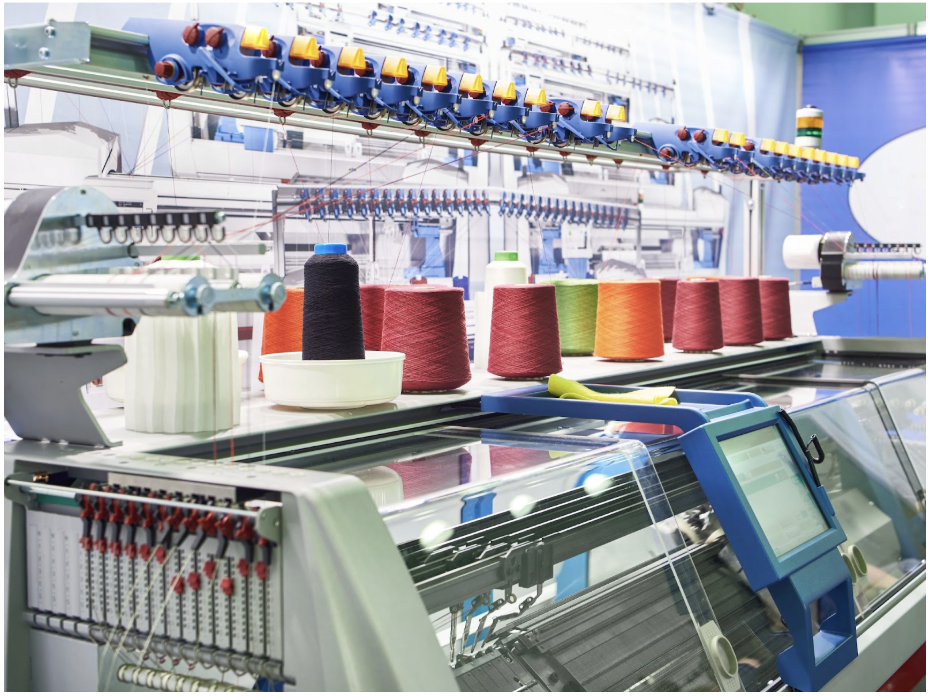
Textile manufacturing involves numerous wet processing steps where surfactants prove indispensable. From initial fabric preparation through final finishing, surfactants control how liquids interact with fiber surfaces, enabling uniform treatment and consistent results.
Natural and synthetic fibers present different surface characteristics that require specific surfactant approaches. Cotton fibers absorb water readily but may have waxy impurities that interfere with dye uptake. Synthetic fibers like polyester repel water and require surfactants to achieve adequate wetting.
Surfactants reduce surface tension between processing solutions and textile fibers, allowing chemicals to penetrate uniformly throughout fabric structures. This penetration ensures even treatment across entire fabric widths and lengths, preventing streaking or irregular coloration.
Wetting agents represent the most fundamental surfactant type in textile processing. These compounds reduce water surface tension, enabling processing solutions to spread across and penetrate into fabric structures quickly and uniformly.
Alcohol ethoxylate surfactants provide excellent wetting properties for both natural and synthetic fibers. Their balanced hydrophilic-lipophilic properties make them versatile choices for various textile applications.
Alkyl sulfonate wetting agents offer superior performance in high-temperature dyeing processes. These robust surfactants maintain effectiveness even under extreme processing conditions common in modern textile manufacturing.
Leveling agents ensure uniform dye distribution across textile surfaces, preventing streaking, blotchiness, or color variations. These specialized surfactants control dye migration during application and fixation processes.
Amphiphilic leveling agents possess both dye-attracting and fiber-attracting properties. This dual functionality helps redistribute dyes from heavily concentrated areas to regions with lighter coverage, creating uniform coloration.
Ionic leveling agents work through electrostatic interactions with dyes and fibers. Anionic leveling agents prove particularly effective with cationic dyes, while cationic agents work well with anionic dye systems.
Dispersing agents maintain stable suspensions of insoluble materials like disperse dyes, pigments, and finishing chemicals. These surfactants prevent particle aggregation that could cause uneven application or equipment fouling.
Lignosulfonate-based dispersants offer excellent stability for disperse dye systems used on polyester fabrics. These renewable surfactants provide consistent performance while supporting sustainability goals in textile manufacturing.
Naphthalene sulfonate dispersants excel in high-temperature applications where other surfactants might degrade. Their thermal stability makes them ideal for polyester dyeing processes that operate at temperatures exceeding 130°C.
Fabric preparation requires thorough removal of natural waxes, oils, and sizing agents that interfere with subsequent dyeing operations. Surfactants enable effective cleaning while protecting fiber integrity.
Nonionic surfactants excel in scouring applications because they remove hydrophobic impurities without causing excessive fiber swelling. Their gentle action preserves fabric hand and appearance while achieving necessary cleanliness levels.
Alkaline scouring processes benefit from surfactants that remain stable under high pH conditions. Alcohol ethoxylates and alkyl phenol ethoxylates maintain effectiveness in caustic environments typical of cotton preparation.
Surfactants control multiple aspects of dye bath performance, from initial wetting through final fixation. Proper surfactant selection ensures optimal dye utilization while minimizing processing problems.
Wetting agents accelerate fabric saturation, reducing the time needed for complete dye penetration. Faster wetting improves processing efficiency and reduces energy consumption in textile dyeing operations.
Anti-foaming agents prevent excessive foam formation that interferes with dye circulation and heat transfer. Controlled foam levels ensure uniform dye distribution while maintaining efficient processing conditions.
Modern dyeing processes often require surfactants that remain effective across wide temperature and pH ranges. Synthetic fiber dyeing particularly demands thermal stability at elevated temperatures.
Ethoxylated fatty amine surfactants provide excellent performance in acidic dyeing conditions common with protein fibers like wool and silk. These surfactants maintain effectiveness while protecting delicate fiber structures.
Block copolymer surfactants offer superior thermal stability for high-temperature polyester dyeing. Their unique molecular structure resists degradation at temperatures that would destroy conventional surfactants.
Textile finishing operations use surfactants to modify fabric hand, drape, and surface characteristics. These treatments determine final fabric performance and consumer acceptance.
Quaternary ammonium surfactants provide excellent softening properties for cotton and cotton blend fabrics. Their cationic nature creates strong attraction to negatively charged cellulose fibers, producing lasting softness.
Silicone emulsion systems utilize specialized surfactants to create stable dispersions of silicone polymers. These systems provide superior softness and hydrophobic properties for technical textile applications.
Durable water repellent (DWR) finishes require surfactants that enable uniform application of fluorochemical or silicone-based treatments. These surfactants ensure complete fabric coverage for consistent performance.
Fluorosurfactants historically provided excellent wetting for DWR applications, but environmental concerns drive development of alternative systems. New bio-based surfactants offer similar performance with improved environmental profiles.
Antimicrobial finishes require surfactants that enable uniform distribution of active agents throughout fabric structures. These treatments must penetrate completely to provide effective protection.
Cationic surfactants enhance antimicrobial effectiveness by improving substantivity to textile fibers. Their positive charge creates strong attraction to fiber surfaces, improving treatment durability.
Excessive foam in textile processing creates numerous problems including uneven treatment, poor heat transfer, and equipment difficulties. Surfactant selection must balance performance needs with foam control requirements.
Silicon-based defoamers provide excellent foam control without interfering with primary surfactant functions. These specialized additives maintain processing efficiency while preventing foam-related problems.
Consistent surfactant performance ensures reproducible dyeing results critical for color matching requirements. Variations in surfactant effectiveness can cause significant color differences between production lots.
Standardized surfactant formulations help eliminate batch-to-batch variations that affect color reproducibility. Quality control testing ensures surfactants meet specifications for critical performance parameters.
Environmental regulations require textile manufacturers to treat processing effluents before discharge. Surfactant biodegradability and toxicity characteristics influence treatment system design and operation.
Biodegradable surfactants reduce treatment system loading and improve effluent quality. These environmentally friendly products support sustainable manufacturing while maintaining processing performance.
The textile industry increasingly adopts bio-based surfactants derived from renewable resources. These products offer comparable performance to synthetic alternatives while providing better environmental profiles.
Alkyl polyglucoside surfactants derived from plant sugars provide excellent wetting and leveling properties. Their rapid biodegradation and low toxicity make them attractive alternatives to conventional surfactants.
Advanced surfactant systems respond to processing conditions for optimized performance. Temperature-sensitive formulations adjust properties based on dyeing temperature requirements.
pH-responsive surfactants automatically adjust charge characteristics as processing conditions change. These intelligent systems ensure optimal performance throughout complex multi-step processing sequences.
Nano-enhanced surfactants offer improved performance characteristics for specialized textile applications. These advanced systems provide superior wetting, dispersion, and stability properties.
Nano-structured surfactants enable better control over fabric surface properties, creating opportunities for enhanced functionality and performance characteristics.
Modern textile manufacturing emphasizes environmental responsibility through reduced water consumption, energy usage, and chemical discharge. Surfactant selection plays a crucial role in achieving sustainability goals.
Concentrated surfactant formulations reduce packaging and transportation requirements while maintaining performance. These products support green manufacturing initiatives through reduced environmental impact.
Closed-loop processing systems require surfactants compatible with water recycling and reuse programs. Biodegradable formulations enable effective water treatment and reuse without performance compromises.
Digital printing technologies create new surfactant requirements for ink formulation and fabric preparation. These emerging applications demand specialized surfactants with unique performance characteristics.
Functional textile development drives demand for surfactants that enable incorporation of active ingredients like antimicrobials, UV protection agents, and moisture management systems.
Sustainable manufacturing pressure continues driving innovation toward bio-based, biodegradable surfactant systems that maintain or improve performance while reducing environmental impact.
Surfactants for textile processing represent critical technology that enables modern fabric manufacturing quality and efficiency. These specialized chemicals control fundamental processes that determine final fabric characteristics and performance.
Continued innovation in surfactant technology will support textile industry evolution toward more sustainable, efficient, and high-quality manufacturing processes. Bio-based alternatives, smart systems, and nanotechnology integration will expand possibilities for enhanced textile processing performance.
The future of textile manufacturing depends on surfactant technologies that balance performance requirements with environmental responsibility. Modern surfactant systems provide proven solutions that help manufacturers meet both quality and sustainability goals successfully.